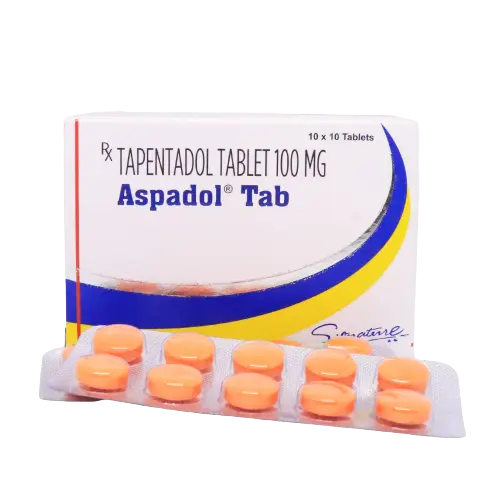
Tapentadol – Aspadol 100mg DOMESTIC: Educational Guide, Uses, Risks & Safety
Tapentadol – Aspadol 100mg DOMESTIC refers to a product marketed as containing 100mg of tapentadol, a prescription opioid analgesic used medically for certain types of moderate-to-severe pain.
Tapentadol has a distinctive dual mechanism involving mu-opioid receptor agonism and noradrenaline (norepinephrine) reuptake inhibition. Because it is an opioid, important risks include sedation, respiratory depression, physical dependence, misuse, withdrawal and potentially fatal overdose.
The term “DOMESTIC” does not by itself confirm the manufacturer, formulation, authenticity or regulatory authorization of a specific Aspadol product.
What Is Tapentadol – Aspadol 100mg DOMESTIC?
Aspadol 100mg is marketed as a tablet containing 100mg of tapentadol.
The “100mg” designation represents the product’s stated active-ingredient strength. It should not be interpreted as individualized dosing advice or as an appropriate amount for a particular person.
It is also important to establish whether a specific tapentadol product is immediate-release or prolonged/extended-release, because formulations can have different characteristics and should not be assumed interchangeable.
What Is Tapentadol – Aspadol 100mg DOMESTIC?
Tapentadol is a centrally acting prescription pain medicine with two principal pharmacological actions.
First, it acts as an agonist at mu-opioid receptors, which contributes to its analgesic effects. Second, it inhibits the reuptake of noradrenaline, influencing descending pathways involved in pain processing.
These mechanisms distinguish tapentadol from some traditional opioids, but they do not eliminate the serious risks associated with opioid medicines.
What Is Tapentadol – Aspadol 100mg DOMESTIC Used For?
Depending on formulation and jurisdiction, tapentadol may be prescribed for certain forms of moderate-to-severe pain when an opioid analgesic is considered appropriate.
Different formulations can have different authorized indications. Some prolonged-release formulations, for example, may be used in selected cases of severe chronic pain.
Tapentadol is not appropriate for every painful condition, and the underlying cause of persistent or severe pain requires appropriate clinical assessment.
Tapentadol and Pain Signalling
Pain involves complex communication between peripheral nerves, the spinal cord and the brain.
Tapentadol’s mu-opioid receptor activity can reduce transmission and perception of pain signals, while its noradrenaline reuptake inhibition can influence descending pain-control pathways.
The same central nervous system activity responsible for pain relief can also produce drowsiness and respiratory depression.
Tapentadol – Aspadol 100mg DOMESTIC Possible Tapentadol Side Effects
Recognized adverse effects include:
- Nausea or vomiting
- Dizziness
- Drowsiness
- Headache
- Constipation
- Dry mouth
- Fatigue
- Reduced concentration and alertness
- Sweating
More serious effects can include severe sedation, loss of consciousness and dangerously slowed or impaired breathing.
Respiratory Depression and Overdose
One of the most serious risks associated with tapentadol and other opioids is respiratory depression.
Excessive opioid exposure can slow breathing to dangerous levels. Warning signs of an opioid emergency can include extreme sleepiness, inability to wake, slow or difficult breathing, loss of consciousness, or blue/grey discoloration of the lips or skin.
These symptoms require immediate emergency medical assistance.
Dependence, Misuse and Withdrawal
Repeated opioid exposure can cause physical dependence. Tapentadol also carries risks of misuse and addiction.
Physical dependence means the body has adapted to continued exposure. Abrupt discontinuation after established regular use can produce withdrawal symptoms such as restlessness, anxiety, sweating, gastrointestinal upset, insomnia and other symptoms.
People receiving prescribed long-term opioid treatment should not make abrupt changes without professional medical guidance.
Tapentadol, Alcohol and Other Sedatives
Combining tapentadol with other substances that depress the central nervous system can be particularly dangerous.
Alcohol, benzodiazepines, sleeping medicines, other opioids and certain sedating medications can increase sedation and respiratory depression.
Combining an opioid with a benzodiazepine can result in profound sedation, coma, respiratory depression and death.
Tapentadol and Other Medications
Because tapentadol also affects noradrenergic signaling, interactions can extend beyond ordinary opioid-related interactions.
Certain antidepressants and other medicines affecting serotonin or noradrenaline may require additional caution. Potentially serious neurological reactions, including serotonin syndrome, have been reported in relevant drug combinations.
Medication interactions should therefore be assessed professionally.
Tapentadol and Driving
Tapentadol can impair reaction time, coordination, concentration and judgment, particularly when treatment begins or when other sedating substances are involved.
Someone significantly affected by tapentadol should not drive or operate dangerous machinery.
What Does “DOMESTIC” Mean?
When a product is described as “Aspadol 100mg DOMESTIC,” “Domestic” alone does not establish who manufactured it or whether it has regulatory authorization in a particular country.
For accurate website information, verify the manufacturer, formulation, active ingredient, strength, batch details and regulatory status from reliable product documentation.
Frequently Asked Questions
What is Tapentadol – Aspadol 100mg DOMESTIC?
Aspadol 100mg is marketed as a product containing 100mg of tapentadol, a prescription opioid analgesic.
Is Tapentadol – Aspadol 100mg DOMESTIC an opioid?
Yes. Tapentadol has mu-opioid receptor agonist activity, alongside noradrenaline reuptake inhibition.
What is Tapentadol – Aspadol 100mg DOMESTIC used for?
Depending on formulation and jurisdiction, it is medically used for certain types of moderate-to-severe pain.
Can tapentadol cause dependence?
Yes. Tapentadol can cause physical dependence and carries risks of misuse and addiction.
Can tapentadol cause breathing problems?
Yes. Serious opioid exposure can cause respiratory depression, which can become life-threatening.
Is mixing tapentadol with alcohol or benzodiazepines dangerous?
Yes. Combining CNS depressants can substantially increase sedation and respiratory-depression risk.
Conclusion
Tapentadol – Aspadol 100mg DOMESTIC describes a product marketed as containing 100mg of tapentadol. Tapentadol is a prescription opioid analgesic combining mu-opioid receptor activity with noradrenaline reuptake inhibition.
Important safety considerations include sedation, respiratory depression, dependence, misuse, withdrawal, overdose and potentially dangerous interactions with alcohol, benzodiazepines and other CNS depressants.
Educational disclaimer: This content is provided solely for educational, drug-awareness and SEO purposes. It is not medical advice and does not provide purchasing information, recreational-use instructions or individualized dosing guidance.

Reviews
There are no reviews yet.