Tapentadol – Noosanta 100: Educational Guide, Uses, Risks & Safety
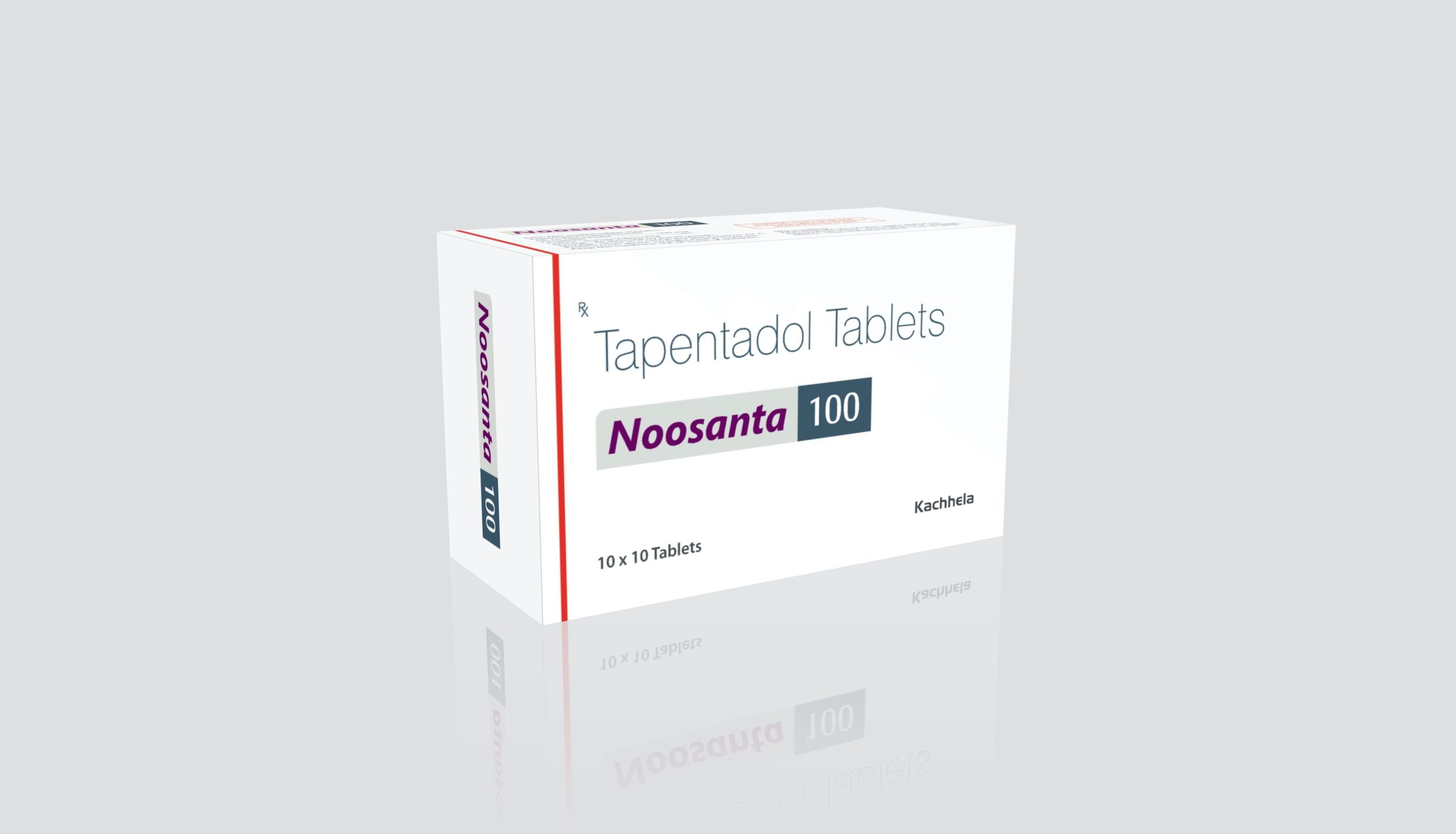
Tapentadol – Noosanta 100 refers to a product marketed as containing tapentadol 100mg, a prescription opioid analgesic used medically for certain types of moderate-to-severe pain. Tapentadol has a dual pharmacological mechanism involving mu-opioid receptor agonism and norepinephrine (noradrenaline) reuptake inhibition.
Because tapentadol is an opioid, it carries significant risks including sedation, respiratory depression, physical dependence, misuse, addiction and potentially fatal overdose. The exact formulation, manufacturer, authenticity and regulatory authorization of a specific Noosanta 100 product should be verified from its packaging and appropriate regulatory information.
What Is Tapentadol – Noosanta 100?
Noosanta 100 is marketed as a product containing 100mg of tapentadol.
The “100” designation refers to the stated amount of tapentadol in the product. It should not be interpreted as an appropriate dose for a particular individual.
Tapentadol is a potent prescription medication, and treatment decisions require consideration of the patient’s medical history, pain condition, other medications and previous exposure to opioid medicines.
What Is Tapentadol – Noosanta 100?
Tapentadol is a centrally acting opioid pain medicine.
It has two principal mechanisms. First, tapentadol activates mu-opioid receptors, which influence how pain signals are transmitted and perceived within the central nervous system.
Second, it inhibits the reuptake of norepinephrine, increasing noradrenergic activity within pathways involved in pain regulation.
Although this dual mechanism distinguishes tapentadol pharmacologically from some other opioids, serious opioid-related risks remain.
What Is Tapentadol – Noosanta 100 Used For?
Depending on the formulation and jurisdiction, tapentadol may be prescribed for certain forms of moderate-to-severe pain when opioid treatment is considered appropriate.
Some tapentadol formulations are used for acute pain, while particular prolonged-release formulations have applications in severe chronic pain and certain neuropathic pain conditions.
Not every painful condition requires opioid treatment. The underlying cause and severity of pain should be professionally assessed.
How Does Tapentadol – Noosanta 100 Work?
Tapentadol combines mu-opioid receptor agonism with norepinephrine reuptake inhibition.
Mu-opioid receptor activation reduces pain transmission and alters the perception of pain. Its noradrenergic activity influences descending pathways within the nervous system that help regulate pain signals.
These actions can provide analgesia but can also produce adverse effects involving the brain, gastrointestinal system and respiratory system.
Possible Tapentadol Side Effects
Potential adverse effects include:
- Drowsiness or dizziness
- Nausea and vomiting
- Constipation
- Headache
- Fatigue
- Dry mouth
- Sweating
- Reduced concentration
- Confusion
More serious reactions can include severe sedation, seizures, loss of consciousness and respiratory depression.
Respiratory Depression and Overdose
Respiratory depression is one of the most serious risks associated with tapentadol and other opioids.
During opioid toxicity, breathing can become dangerously slow or ineffective. The risk is particularly concerning when opioids are combined with other substances that depress the central nervous system.
Warning signs of opioid overdose can include extreme sleepiness, inability to wake, slow or difficult breathing, unconsciousness and blue or grey lips or skin.
A suspected opioid overdose requires immediate emergency medical assistance.
Dependence and Addiction
Tapentadol can cause physical dependence, particularly with continued exposure.
Physical dependence means the body adapts to the presence of the opioid. This is distinct from addiction, although tapentadol also carries a recognized risk of misuse and opioid-use disorder.
Abrupt discontinuation after established regular use can cause withdrawal symptoms. Treatment changes should therefore be professionally supervised.
Tapentadol and Alcohol
Combining tapentadol with alcohol can significantly increase central nervous system depression.
Other potentially dangerous combinations include benzodiazepines, other opioids, sedative sleeping medicines and other CNS depressants.
Combining these substances can increase the risk of profound sedation, breathing difficulties, coma and death.
Tapentadol and Other Medicines
Tapentadol can interact with numerous medications.
In addition to other CNS depressants, caution is important with medicines affecting serotonin and norepinephrine pathways, including certain antidepressants.
Potential interactions are one reason a healthcare professional should review all medicines and supplements before tapentadol treatment.
Noosanta 100 and Driving
Tapentadol can cause drowsiness, dizziness and impaired concentration.
These effects may interfere with driving, operating machinery and other activities requiring rapid reactions. Patients prescribed tapentadol should follow applicable medical advice and local driving regulations.
Noosanta 100 vs Other Tapentadol Brands
Noosanta is one of several brand names under which products containing tapentadol may be marketed internationally.
Two products carrying the same stated quantity of tapentadol should not automatically be assumed to have identical formulations, release characteristics, manufacturing standards or regulatory authorization.
The exact product documentation therefore matters when comparing brands.
Frequently Asked Questions
What is Tapentadol – Noosanta 100?
Noosanta 100 is marketed as a product containing 100mg of tapentadol, an opioid analgesic.
Is tapentadol an opioid?
Yes. Tapentadol has mu-opioid receptor agonist activity and therefore carries opioid-related risks.
What is Tapentadol – Noosanta 100 used for?
Tapentadol is medically used for certain forms of moderate-to-severe pain when opioid therapy is considered clinically appropriate.
Can Tapentadol – Noosanta 100 cause sleepiness?
Yes. Drowsiness, dizziness and reduced alertness are recognized effects of tapentadol.
Can tapentadol cause dependence?
Yes. Tapentadol can cause physical dependence and carries risks of misuse and addiction.
Is tapentadol overdose dangerous?
Yes. An overdose can cause severe respiratory depression, unconsciousness and death. Suspected opioid overdose requires immediate emergency assistance.
Conclusion
Tapentadol – Noosanta 100 is marketed as a product containing 100mg of tapentadol. Tapentadol is a prescription opioid analgesic with both mu-opioid receptor activity and norepinephrine reuptake inhibition.
Important safety considerations include sedation, respiratory depression, medication interactions, physical dependence, misuse, addiction, withdrawal and overdose. Product authenticity and regulatory status should also be verified rather than inferred from the Noosanta brand name alone.
Educational disclaimer: This information is provided for educational, drug-awareness and SEO purposes only. It does not provide purchasing information, recreational-use guidance, individualized dosing instructions or a prescription.


Reviews
There are no reviews yet.