
Tapentadol – Tapaday 200mg: Educational Guide, Uses, Risks & Safety
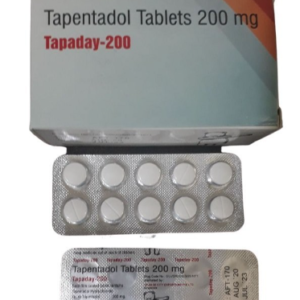
Tapentadol – Tapaday 200mg refers to a product marketed as containing 200mg of tapentadol, a prescription opioid analgesic used medically for certain types of moderate-to-severe pain. Tapentadol has a distinctive dual mechanism involving mu-opioid receptor agonism and norepinephrine (noradrenaline) reuptake inhibition.
Because tapentadol is an opioid, important risks include respiratory depression, sedation, physical dependence, misuse, addiction, withdrawal and potentially fatal overdose. The precise formulation, release characteristics, manufacturer, authenticity and regulatory authorization of a specific Tapaday 200mg product should be verified from its packaging and official documentation.
What Is Tapentadol – Tapaday 200mg?
Tapaday 200mg is marketed as a tapentadol product with a stated strength of 200mg.
The 200mg designation represents the stated quantity of active ingredient and should not be interpreted as individualized dosing guidance. It is particularly important to determine whether a product is immediate-release or extended/prolonged-release because different formulations are not necessarily interchangeable.
Tapentadol treatment requires professional medical supervision.
What Is Tapentadol – Tapaday 200mg?
Tapentadol is a centrally acting opioid pain medicine.
Its pharmacological effects arise primarily through two mechanisms. It activates mu-opioid receptors, reducing the transmission and perception of pain signals, while simultaneously inhibiting norepinephrine reuptake within pathways involved in pain regulation.
Although its dual mechanism distinguishes tapentadol from some traditional opioids, it still carries serious opioid-related risks.
What Is Tapentadol – Tapaday 200mg Used For?
Depending on the formulation and country, tapentadol is medically used for certain forms of moderate-to-severe pain where opioid treatment is considered appropriate.
Different authorized formulations may be associated with acute pain, severe chronic pain or particular forms of neuropathic pain.
Pain treatment should be individualized because musculoskeletal, inflammatory, neurological and neuropathic pain can have different causes and may require different approaches.
How Does Tapentadol Work?
Tapentadol combines mu-opioid receptor activation with norepinephrine reuptake inhibition.
Mu-opioid receptor activity modifies pain perception and transmission within the central nervous system. Norepinephrine reuptake inhibition influences descending neural pathways involved in regulating pain signals.
These effects provide analgesic activity but can also cause clinically significant adverse reactions.
Possible Tapentadol Side Effects
Tapentadol can cause:
- Drowsiness and dizziness
- Nausea or vomiting
- Constipation
- Headache
- Fatigue
- Dry mouth
- Sweating
- Reduced alertness
- Confusion or impaired concentration
More serious reactions can include severe sedation, seizures, loss of consciousness and respiratory depression.
Respiratory Depression and Overdose
Respiratory depression is one of the most serious dangers associated with tapentadol.
Opioids can suppress the brain’s control of breathing. Excessive exposure or interactions with other central nervous system depressants can make breathing dangerously slow or ineffective.
Possible signs of opioid overdose include extreme sleepiness, inability to wake, very slow or difficult breathing, unconsciousness, and blue or grey lips or skin.
A suspected opioid overdose is a medical emergency requiring immediate emergency assistance.
Dependence, Misuse and Withdrawal
Repeated exposure to tapentadol can produce physical dependence.
Tapentadol also carries risks of misuse and addiction. These risks are particularly important when an opioid is used outside appropriate medical supervision.
Abrupt discontinuation after established regular opioid exposure can cause withdrawal symptoms. Anyone receiving prescribed long-term opioid treatment should discuss treatment changes with their healthcare professional.
Tapentadol and Alcohol
Combining tapentadol with alcohol can substantially increase sedation and central nervous system depression.
Combining opioids with benzodiazepines, other opioids, sleeping medicines or other sedating drugs can also increase the risk of profound sedation, respiratory depression, coma and death.
Tapentadol and Drug Interactions
Tapentadol can interact with multiple medications.
In addition to CNS depressants, caution is important with certain medicines affecting serotonin or norepinephrine pathways, including some antidepressants.
Medication interactions should therefore be professionally reviewed before tapentadol is prescribed or treatment is changed.
Tapaday 200mg and Driving
Tapentadol may impair alertness, coordination, concentration and reaction time.
Drowsiness and dizziness can make driving or operating machinery unsafe. People prescribed tapentadol should follow their clinician’s instructions and applicable driving regulations.
Tapaday 200mg vs Lower-Strength Tapentadol Products
Tapentadol products are marketed internationally in several strengths and formulations.
A product labelled 200mg contains a greater stated quantity of tapentadol than a 100mg product, but this does not mean it is better or more appropriate.
Formulation is also crucial: an extended-release 200mg product cannot simply be compared with an immediate-release product based solely on the number printed on the packaging.
Frequently Asked Questions
What is Tapentadol – Tapaday 200mg?
Tapaday 200mg is marketed as a product containing 200mg of tapentadol, an opioid analgesic.
Is tapentadol an opioid?
Yes. Tapentadol has mu-opioid receptor agonist activity and carries opioid-related risks.
What is Tapentadol – Tapaday 200mg used for?
It is medically used for certain forms of moderate-to-severe pain when opioid treatment is clinically appropriate.
Can Tapentadol – Tapaday 200mg cause drowsiness?
Yes. Tapentadol can cause significant drowsiness, dizziness and reduced alertness.
Can Tapentadol – Tapaday 200mg cause dependence?
Yes. Physical dependence can occur, and tapentadol also carries risks of misuse and addiction.
Is a tapentadol overdose dangerous?
Yes. Overdose can result in life-threatening respiratory depression, unconsciousness and death and requires immediate emergency medical assistance.
Conclusion
Tapentadol – Tapaday 200mg is marketed as a 200mg tapentadol product. Tapentadol is a prescription opioid analgesic combining mu-opioid receptor activity and norepinephrine reuptake inhibition.
Important considerations include respiratory depression, sedation, drug interactions, dependence, addiction, withdrawal and overdose. The exact formulation and regulatory authorization of a Tapaday product should be verified rather than assumed from the brand name or strength.
Educational disclaimer: This content is provided for educational, drug-awareness and SEO purposes only. It is not medical advice and does not provide purchasing information, recreational-use guidance, individualized dosing instructions or a prescription.

Reviews
There are no reviews yet.